
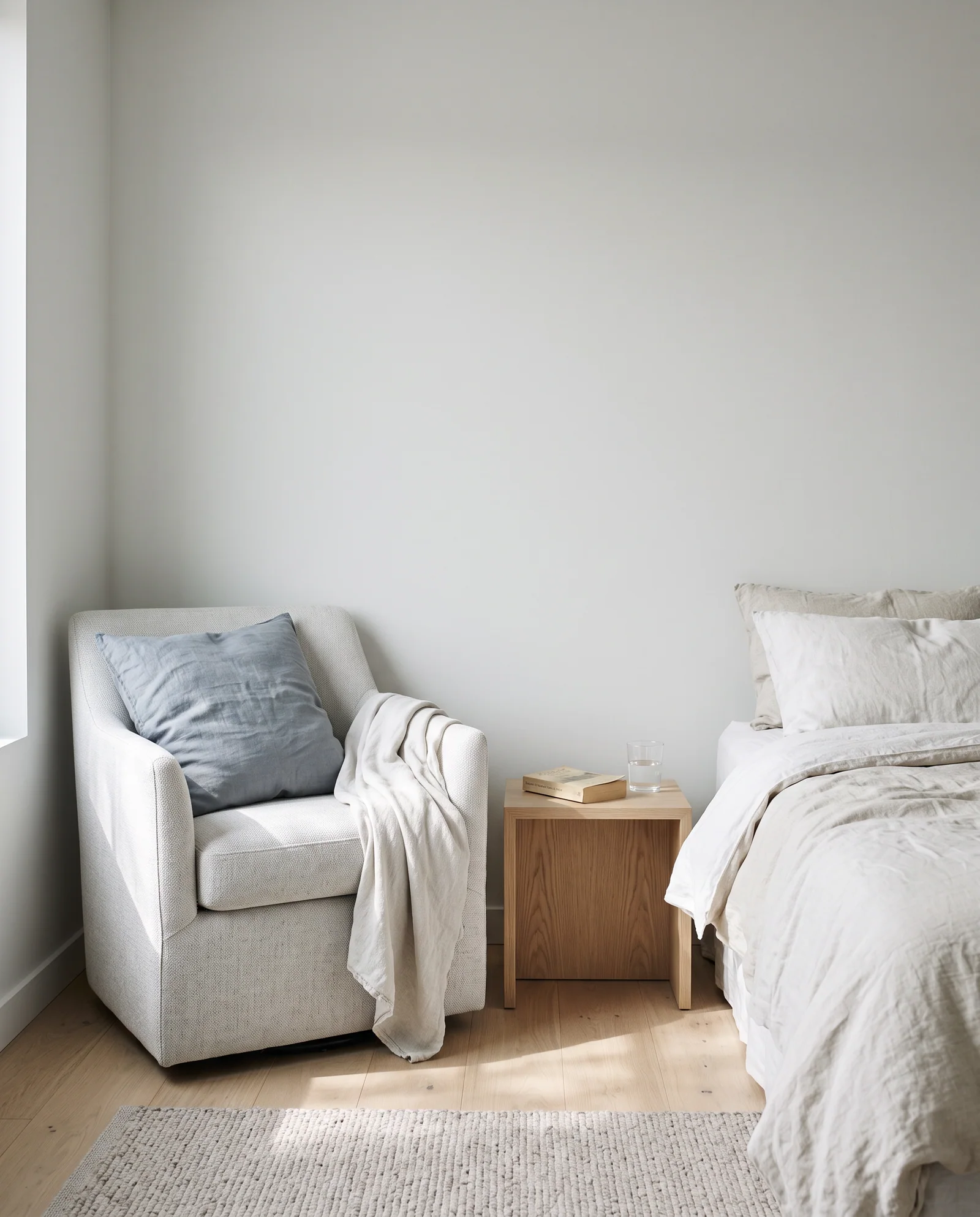
 Illustrative scene
 Quiet corners
A quiet corner can fit inside an ordinary bedroom. One comfortable seat, an easy-to-reach surface and a little breathing room can make it somewhere you actually want to return to.
A practical approach
A quiet corner begins with a reason to sit down.
Choose one purpose
A reading chair needs somewhere to set a book; a morning pause may need only a cup and a view. Pick the activity before adding anything else.
Keep one surface clear
Leave room for the things you use in the moment instead of filling a table with permanent decor. A clear spot makes the corner easier to return to.
Use light in layers
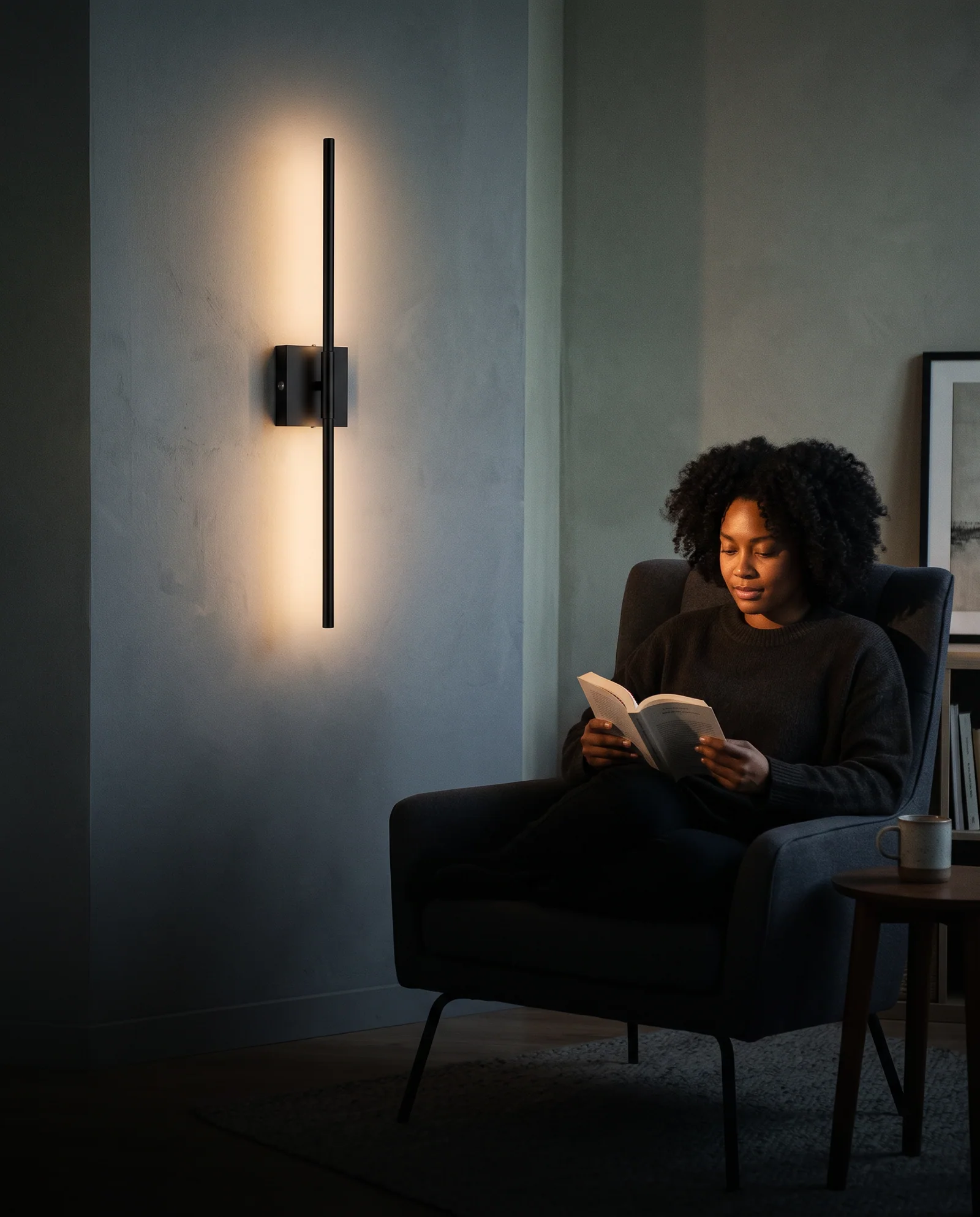
Let daylight do the work when it is available. In the evening, add a smaller point of light near the seat and check for glare at eye level.
In practice
Start with the seat you already have.
Look for a place you naturally stop: the chair by a bedroom window, the end of a sofa, or the space beside a low shelf. Give that spot one purpose, such as reading for ten minutes or setting down a morning cup. There is no need to furnish an entirely new room.
Keep a small landing surface within reach and leave most of it empty. When evening comes, use a localized light rather than lighting every corner at once. The change should make your routine easier, not add another arrangement to maintain.
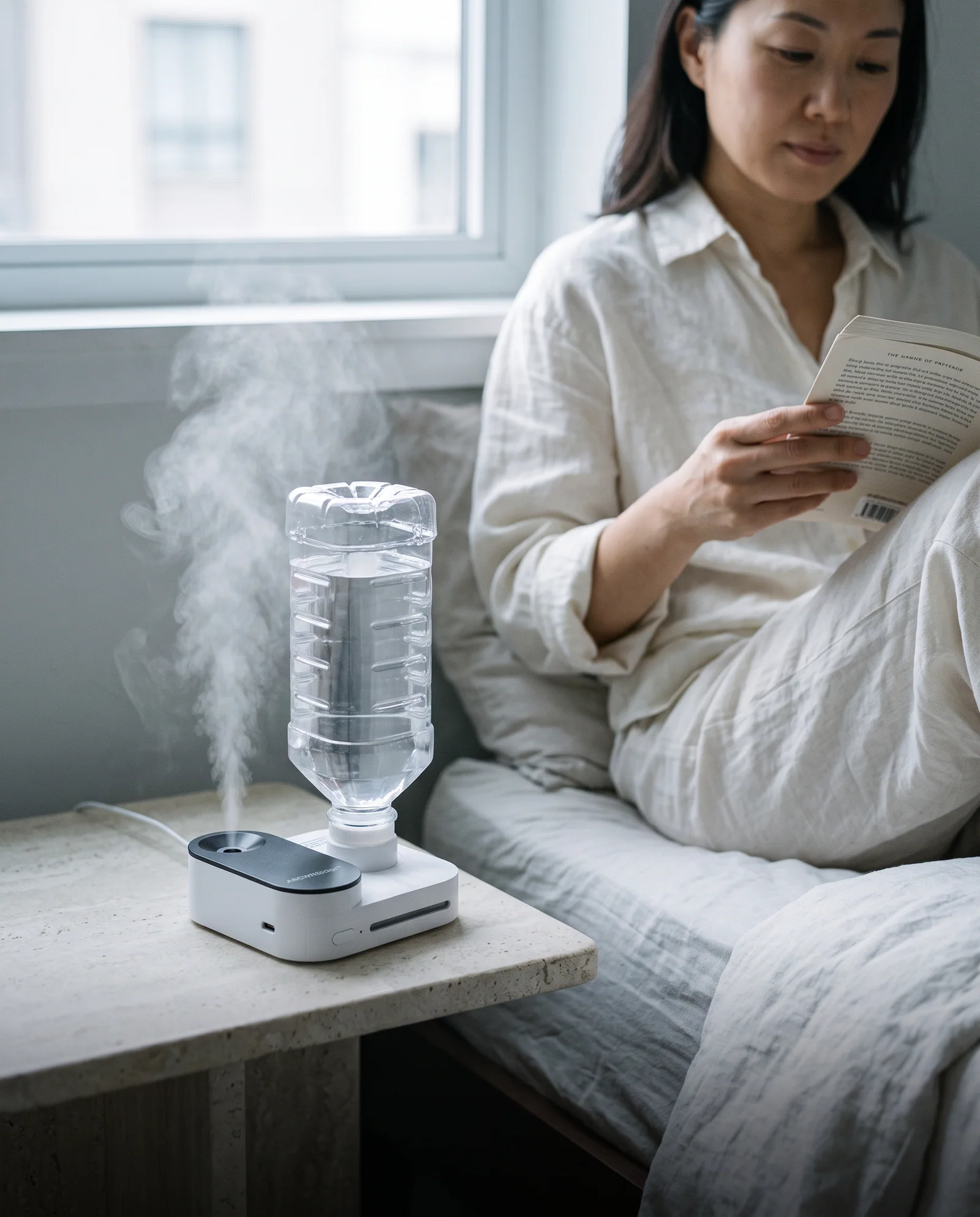
The goal is not a perfectly styled corner. It is a place that is easy to use, easy to reset, and pleasant to return to.
Try it at home
A simple starting checklist.
- Start near a window, wall, or existing piece of furniture.
- Keep only the items that support the corner’s main purpose.
- Place frequently used objects within easy reach.
- Repeat one material or color already present in the room.
- Leave enough open space to reset the area quickly.