
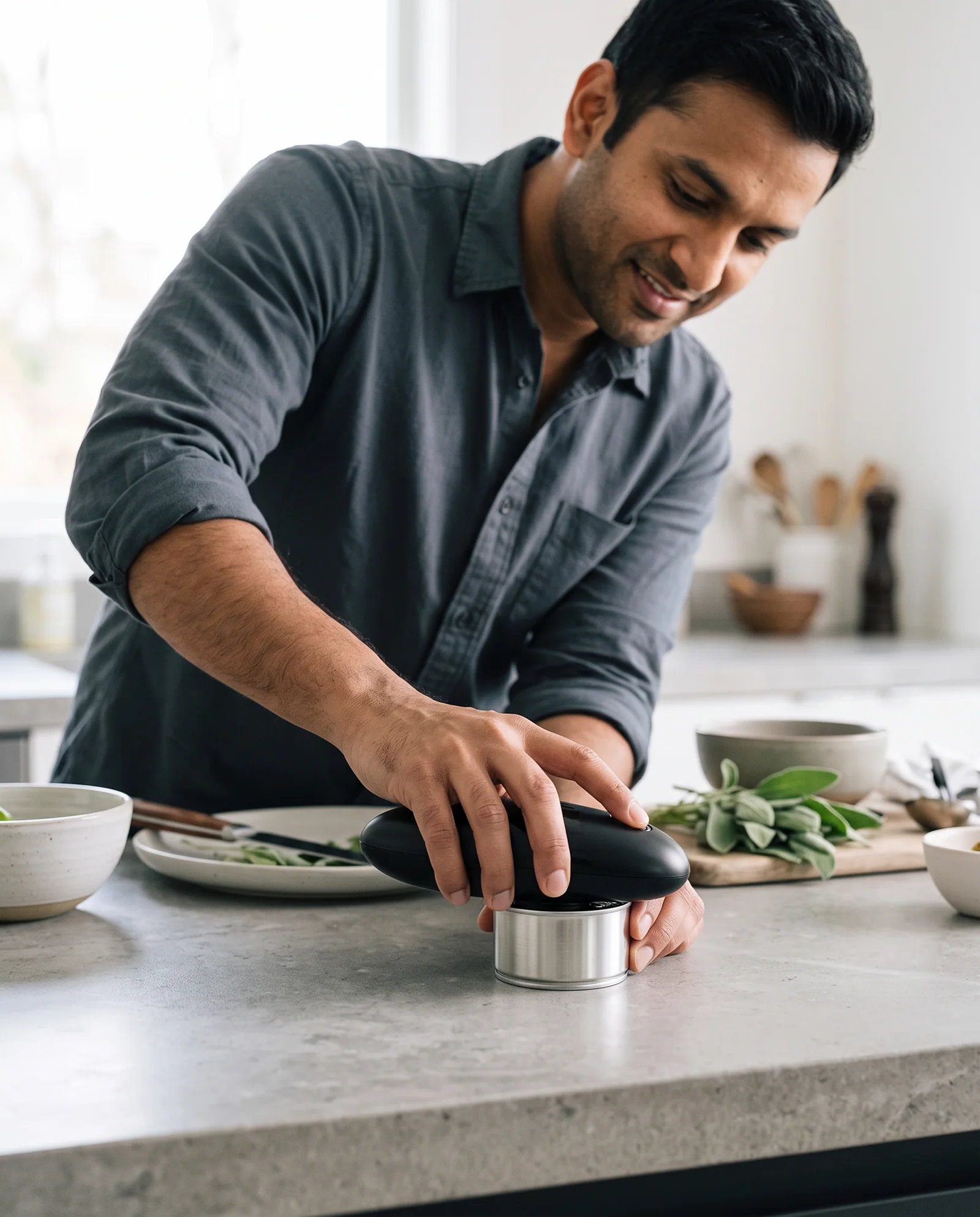
 Illustrative scene
 Everyday rituals
A clear kitchen counter makes room for a morning coffee, a small recipe or a shared meal. The aim is not a spotless photograph, but a workspace that is ready when you are.
A practical approach
Make room for the small rituals you return to.
Keep the center simple
Reserve a patch of counter for actual preparation. Move display pieces or rarely used appliances somewhere they will not need to be shifted first.
Store by the next action
Group items by the way you use them: mugs near the kettle, frequently used utensils near the prep area and serving pieces close to the table.
Make resetting easy
After the meal, return the same few tools to the same places. A setup you can restore quickly is more useful than one that only looks good once.
In practice
Build the counter around the next action.
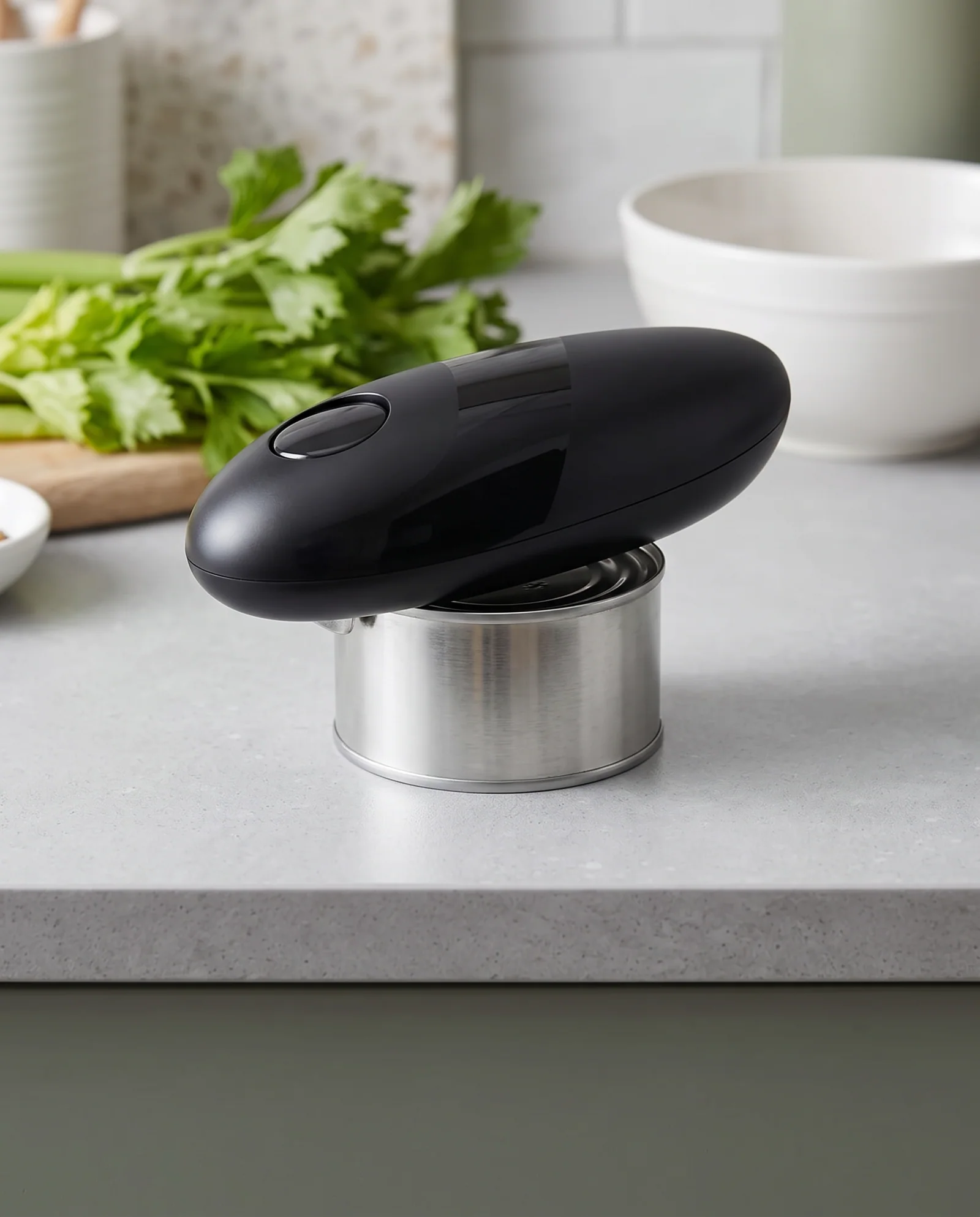
Think through a routine you repeat: opening ingredients for dinner, preparing tea or packing lunch. What do you reach for first, and what is always in the way? Put those first-use tools within reach and move occasional equipment off the main preparation area.
Give dishes and utensils an obvious place to return to, then leave a portion of the counter intentionally unoccupied. That bit of open space is what makes the kitchen feel ready for the next person, not just tidy for the moment.
The most useful kitchen is one that is easy to begin in and easy to leave ready for tomorrow.
Try it at home
A simple starting checklist.
- Remove objects that do not support the current activity.
- Keep everyday utensils and small tools in one consistent location.
- Use vertical storage when the working surface is limited.
- Position the main light to avoid glare and deep shadows.
- End with a clear place for tomorrow’s first task.